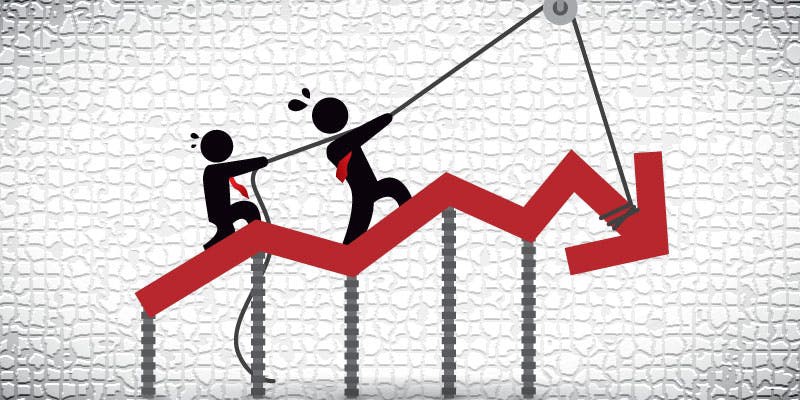
WASHINGTON (AP) – March 16, 2010 – Housing construction fell in February as winter blizzards held down activity in the U.S. Northeast and South. The decline highlighted the challenges facing builders as they struggle to emerge from the worst housing slump in decades.
The Commerce Department said Tuesday that construction of new homes and apartments fell 5.9 percent in February to a seasonally adjusted annual rate of 575,000 units, slightly higher than the 570,000 economists were expecting. January activity was revised up to a pace of 622,000 units, the strongest showing in 14 months.
Homebuilders are trying to emerge from a severe housing downturn. A rebound in housing is seen as critical to sustaining the overall economic recovery. Click below for full story
Report: Only 22 percent of homebuyers happy with their agent
SACRAMENTO, Calif. – March 16, 2010 – A study by the California Association of Realtors shows a decrease in the number of consumers who say they would use the same real estate agent again to 22 percent in 2009 from 79 percent in 2004. When asked why they would not retain their previous agent, 64 percent said their homes languished on the market and 51 percent were upset that their house fetched less than they had expected.
The study findings show that sellers with unrealistic expectations blame their agents when a transaction does not go as planned, but agents often are indeed at fault for failing to inform sellers about current market realities when it comes to pricing and financing.
In the short term, agents can expect consumers to prefer working with individual agents, believing that a large brokerage cannot provide the personal response and service they so desire. Agents also need to drum up the courage to turn down overpriced listings that likely will not sell.
Over the long term, Realtors must focus on skill, hard work, and the use of technology to provide personal service and deliver the information of most interest to clients. Moreover, agents should immediately respond to calls and e-mails, listen to their prospect’s wants and needs, and make good on their requests.
Source: RISMedia (03/16/10) Parker, Mike
© Copyright 2010 INFORMATION, INC. Bethesda, MD (301) 215-4688
Report: Only 22 percent of homebuyers happy with their agent
6 Questions Foreclosure Buyers Should Ask
There are questions that buyers in any market should be asking before they make an offer on a property in foreclosure.
April 2009
Is now a good time to buy a foreclosure?
This is a very common question from both real estate professionals and prospective buyers. Obviously, because local market conditions vary, the answer is different from market to market. But there are questions that buyers in any market should be asking before they make an offer on a property in foreclosure.
What’s the first step buyers need to take?
Require buyers you work with to be preapproved for a loan before you help them shop for a foreclosure. If they’re thinking of buying a foreclosure as an investment or second home, they need to understand that financing the home will be more difficult and more expensive than financing a primary residence. Lenders typically charge higher interest rates and require a larger down payment for investment or second homes.
How can you tell a bad foreclosure from a good one?
Certainly there are great deals in many markets for both investors and buyers looking for a primary residence. But making a sound deal can be tricky. Buyers need to be wary of unpaid liens, including mortgage debt, taxes, construction loans, home equity lines of credit, and possibly a second or third mortgage. Any or all of these financial obligations could become your clients’ responsibility when they purchase a property in foreclosure. Unless the property goes through a foreclosure auction and becomes a bank-owned REO, the outstanding foreclosure liens and fees could be simply transferred to the new owner—your clients. Don’t let them fall into the same financial trap as the previous owner.
If I’m a qualifying borrower, can I appeal to banks for better loan terms?
Lenders are drowning in defaults—particularly in hard-hit real estate markets such as Arizona, California, Florida, Michigan, Nevada, and Ohio—so they may be motivated to cut a deal. If your clients have a good credit score, many banks will offer them a below-market-rate loan on a bank-owned home. Unlike paying down with points, this doesn’t cost anything in fees, and it gives them the ability to spend more for the home.
What are the costs of buying a foreclosure?
It takes money to make money. The best opportunities are for buyers with cash. If your clients are planning to rent out the property or even resell it for a quick profit, make sure they consider the carrying costs, including sales commissions, marketing costs, vacancies, taxes, insurance, and maintenance costs. Once you’ve calculated all the expenses, add on another 10 percent to 15 percent. If they don’t build in a “surprise fund,” your clients might be the next foreclosure statistic.
How does choice of neighborhood affect foreclosure investments?
Clients looking for a good investment should generally avoid neighborhoods overrun with foreclosures, particularly newer subdivisions in overbuilt exurban areas. Investors will be tempted to buy foreclosures in these areas because they offer the steepest discounts—but they also carry the most risk of further depreciation. Look in well established neighborhoods with good schools and transportation. If you’re in a market where prices are still falling, encourage your clients to factor falling prices into any offer they submit on a foreclosed property.
Source: James J. Saccacio is chief executive officer of RealtyTrac, a Web site that tracks properties in foreclosure.
Call the experts today 800-696-3100
Mortgage Volume Is on the Rise
Total volume was up 5.3 percent last week compared to the prior week, with most activity coming from refinancings, according to the Mortgage Bankers Association.Read more >
Low Interest Rates Delay Option ARM Resets
Grim forecasts about underwater borrowers could be abated as more lenders help with refinancing to fixed-rate loans. Read more >
6 Tips for Home Owners Who Turn Into Landlords
Home owners who decide to rent out their properties need to be aware of landlord-tenant regulations and avoid liabilities. Here are some things to keep in mind.
Home sales up in Florida, down nationwide
Cheaper home prices and lower mortgage rates are luring more Floridians back into the housing market, but the same story isn’t playing out nationally.
Florida’s existing home sales rose 24 percent last month, the fifth consecutive month to show an increase in activity, according to the Florida Association of Realtors.
Nationwide, however, sales of existing homes fell 5.3 percent in January to their lowest levels in nearly 12 years.
In Florida 8,450 existing homes sold, up 24 percent from the 6,810 homes sold in January 2008, according to FAR.
“Many people are looking at today’s market and seeing opportunities to find the home or business they’ve always wanted,” FAR President Cynthia Shelton said.
What’s good news for buyers is bad for sellers, as foreclosures continue to depress home values.
The statewide median sales price for existing homes last month was $139,500, down 33 percent from last year, when the median sales price was $206,900.
Condos also are selling, with FAR reporting a 13 percent statewide gain to 2,556 units sold, up nearly 13 percent from 2,266 sold in January 2008. The existing condo median sales price last month was $113,400, down 40 percent from last January, when it was $190,200.
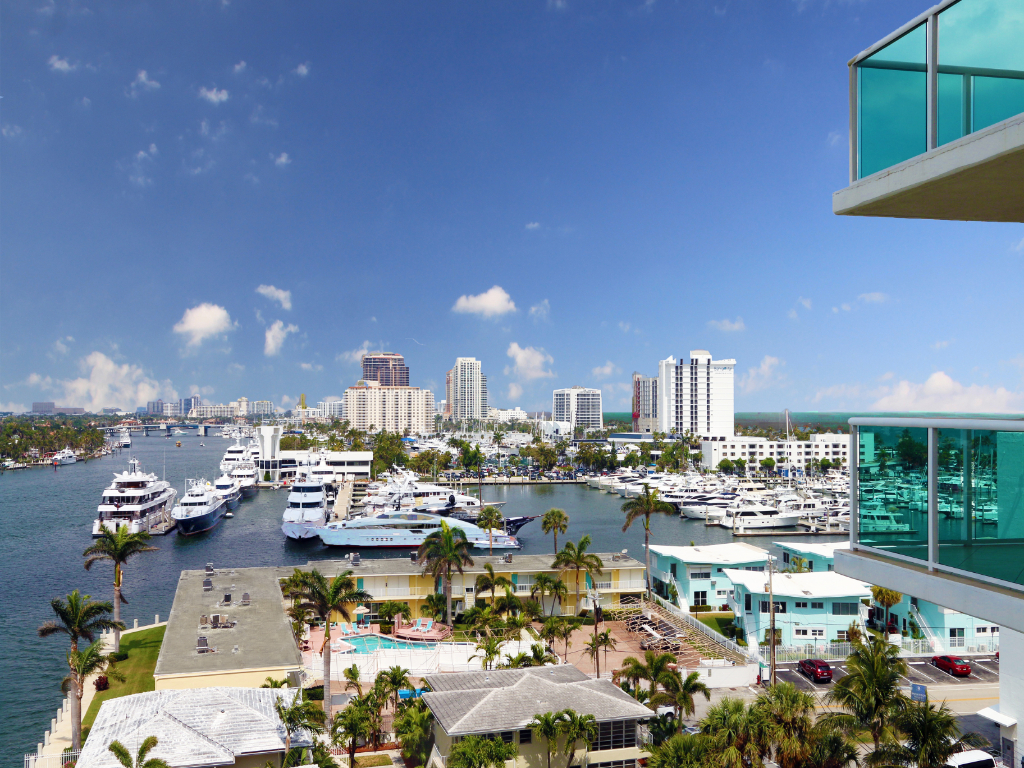
Fort Lauderdale saw home sales soar 52 percent in January, to 467 from 307 a year ago. Values continue their downward spiral, with the median price at $191,000, down 39 percent from last January’s median price of $314,200.
Condo sales in Fort Lauderdale were up 29 percent, to 531 units from 411, but median prices were nearly halved to $85,000 from $153,000 a year ago.
Miami reported a 47 percent hike in the number of existing home sales, to 407 from 276. The median price, however, fell 38 percent, to $208,100 from $336,800.
Miami condo sales were up 27 percent, to 379 units from 298. The median price fell 48 percent, to $149,100 from $284,000.
Activity wasn’t as upbeat in West Palm Beach, where January sales were up just 11 percent to 408 homes sold from 369 a year ago. Median prices were down 32 percent, to $232,100 from $343,200.
Condo sales were up 24 percent, to 375 units from 303. The median sales price was down 31 percent, to $108,900 from $157,700.
The national median sales price for existing single-family homes in December 2008 was $174,700, down 14.8 percent from a year earlier, according to National Association of Realtors.
“It appears some buyers are taking advantage of much lower home prices,” NAR Chief Economist Lawrence Yun said. “The higher monthly sales gain and falling inventory are steps in the right direction, but buyers will continue to have an edge over sellers for the foreseeable future.”
Obama’s Next Challenge: Stop Foreclosures
Daily Real Estate NewsFebruary 18, 2009
After President Obama signed the $787 billion economic stimulus plan into law Tuesday, he said now the focus needs to be on stopping the spread of foreclosures and falling home values.
“We must … do everything we can to help responsible home owners stay in their homes,” Obama said.
The challenge, say those who have been studying the problem, is to lower the amount of money borrowers must pay every month.
More than half of mortgage modifications have left borrowers with the same or higher loan payments because lenders tack on past-due principal, interest, taxes and insurance, which drives the total owed higher, according to an analysis by Alan M. White, a professor at Valparaiso University School of Law. The study looked at more than 23,000 modifications. At the same time, White says, lenders have been unwilling to reduce principal even for borrowers owing vastly more than their homes are worth.
As a result, 49 percent of borrowers redefaulted within six months after receiving a modification that increased their principal and interest payments by 10 percent to 20 percent, according to ratings company Fitch.
The re-default rate was 21 percent for borrowers who saw their payments fall by 20 percent or more.
Source: The Wall Street Journal, Ruth Simon (02/18/2009)